Perfectly Imperfect Pottery
There's something deeply satisfying about working with clay. The feel of it between your fingers, the slow transformation from a lump of earth into something functional or beautiful—pottery offers a rare escape from our screen-filled lives. But for many beginners, the fear of imperfection holds them back. What if the bowl is lopsided? What if the glaze runs? What if it simply doesn't look "good enough"?
Here's the truth: pottery isn't about perfection. It's about process, experimentation, and the small victories that come with each piece you create. Whether you're drawn to the meditative rhythm of the wheel or the hands-on freedom of hand-building, there's space for everyone at the pottery table—wonky edges and all.
Why pottery resonates with so many
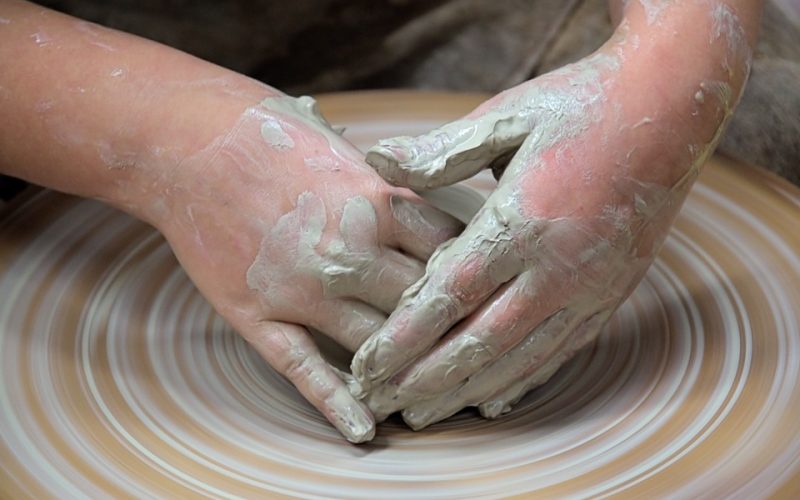
Pottery appeals to people for different reasons. Some are attracted to its tactile nature, craving the sensory experience of moulding something with their hands. Others appreciate the focus it demands—when you're centring clay on a wheel, there's no room for distraction. It becomes a form of mindfulness, a way to quiet the noise of everyday life.
There's also the undeniable satisfaction of making something tangible. In a world where so much of our work exists digitally, creating a mug you can drink from or a vase you can fill with flowers feels grounding. Each piece carries the marks of your hands, your choices, your learning. That's not a flaw—it's what makes it yours.
Embracing the learning curve
No one sits down at a pottery wheel and creates a masterpiece on their first try. Clay has a way of humbling even the most confident beginners. Your first bowl might collapse. Your glaze might crack. Your handle might fall off in the kiln. These moments aren't failures—they're part of the process.
The key is to approach pottery with curiosity rather than expectation. Each wobbly pot teaches you something about pressure, timing, or technique. Over time, your hands learn what your mind can't fully explain. You develop an intuition for the clay, a sense of when it's too wet, too dry, or just right. This isn't something you can rush, and that's precisely the point.
The beauty of imperfection
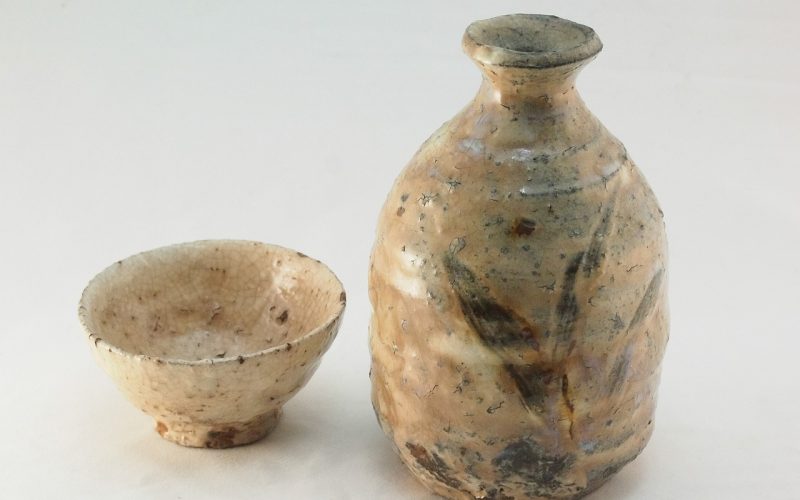
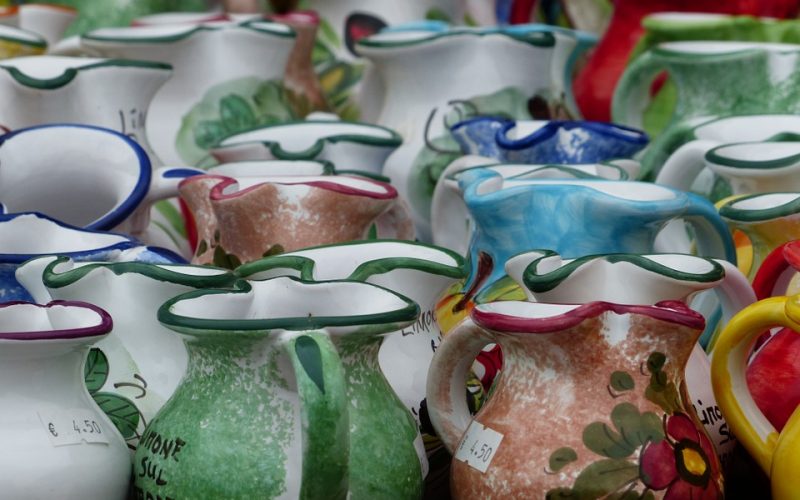
Japanese pottery traditions have long celebrated the concept of wabi-sabi—finding beauty in imperfection and impermanence. A cracked glaze, an asymmetrical rim, or an uneven surface aren't mistakes to hide. They're reminders that the object was made by human hands, shaped by real effort and time.
When you let go of the need for perfection, pottery becomes more enjoyable. You stop comparing your work to glossy images online and start appreciating the character in your pieces. That slightly off-centre bowl? It has charm. That glaze that didn't turn out quite as expected? It tells a story. The more you create, the more you realise that the "imperfect" pieces are often the ones you grow most attached to.
Getting started without overthinking it
If you've been curious about pottery but haven't taken the plunge, now is the time. Look for local studios that offer beginner classes or open studio hours. Many pottery communities are welcoming and supportive, filled with people who remember what it's like to be new. You don't need to invest in expensive equipment right away—most studios provide everything you need to get started.
Start small. Try hand-building a pinch pot or coiling a simple vessel. If you're drawn to the wheel, book a taster session. Give yourself permission to experiment without the pressure of producing something gallery-worthy. The goal isn't to become a master potter overnight. It's to enjoy the process, learn as you go, and create something with your own hands.
Making space for creative play
Pottery offers something rare: a chance to play without judgement. There's no right or wrong way to shape clay, only different approaches and outcomes. Some pieces will turn out better than others, and that's perfectly fine. What matters is showing up, getting your hands dirty, and allowing yourself to be a beginner.
So if you've been waiting for the "right time" to try pottery, consider this your sign. Perfection isn't the goal—joy is. And that's something anyone can find, one wobbly bowl at a time.