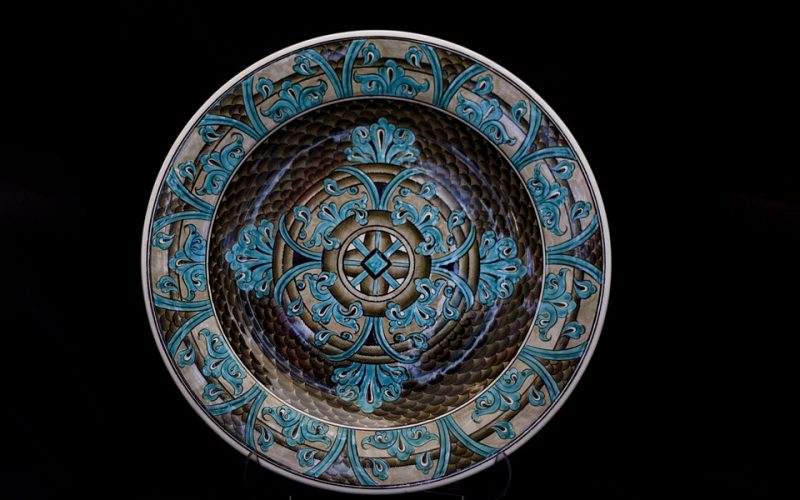
Decorative Pottery Plates
For centuries, decorative plates have captivated collectors and dining enthusiasts alike. Traditional designs typically focus decoration on the plate's centre, drawing the eye inward with intricate patterns, floral motifs, or scenic imagery. However, contemporary artisans and manufacturers are challenging this convention by shifting decorative elements toward the rim, creating striking visual effects that transform the dining experience.
This innovative approach to plate decoration is particularly prominent in fine bone china and English fine bone china collections, where the material's translucent quality and smooth surface provide an ideal canvas for detailed artwork. By relocating ornamental features from centre to rim, designers are reimagining how we interact with tableware, turning everyday dining into an aesthetic experience.
The evolution of plate design
Historically, the centre of a plate served as the primary focal point for decoration. This made practical sense: the middle remained visible even when food was served, allowing diners to admire the artistry throughout the meal. Elaborate scenes, family crests, and commemorative images all found their home in this prominent position.
Modern design philosophy, however, embraces a different perspective. By moving decoration to the rim, designers create a frame that enhances rather than competes with the food itself. This shift reflects broader trends in culinary presentation, where chefs increasingly treat plates as part of the overall visual composition of a dish.
Why rim decoration works
Rim-focused designs offer several advantages over traditional centre decoration. First, they allow food to become the star of the presentation. A beautifully plated dish stands out against a clean central surface, whilst decorative borders add sophistication without distraction.
Second, rim decoration showcases the craftsmanship of bone china more effectively. The plate's edge catches light differently than its centre, causing gilt work, hand-painted details, and textured patterns to shimmer and shift as the plate is viewed from various angles. English fine bone china, renowned for its exceptional translucency and whiteness, particularly benefits from this approach, as rim decoration creates contrast that highlights the material's luminous quality.
Techniques and trends
Contemporary rim decoration employs various techniques, from traditional hand-painting to modern printing methods. Metallic accents—especially gold and platinum—remain popular choices, lending elegance to both formal and casual settings. Geometric patterns, botanical illustrations, and abstract designs all find expression along plate rims, offering options for every aesthetic preference.
Some manufacturers combine rim and centre decoration in innovative ways, using subtle central motifs that complement more elaborate borders. This balanced approach bridges traditional and contemporary styles, appealing to collectors who appreciate both heritage and innovation.
Choosing rim-decorated fine bone china
When selecting rim-decorated plates, consider how the design complements your existing tableware and dining style. Bold, colourful rims make dramatic statements suitable for special occasions, whilst delicate patterns in neutral tones provide versatility for everyday use.
Quality matters significantly in bone china. Authentic English fine bone china contains at least 30% bone ash, giving it characteristic strength, translucency, and a warm ivory tone. Examine rim decoration closely: hand-painted details should show slight variations that indicate artisan craftsmanship, whilst printed designs should appear crisp and evenly applied.
The revolution in plate decoration reflects broader changes in how we approach dining and entertaining. By moving decorative elements from centre to rim, designers have created tableware that honours both culinary artistry and ceramic craftsmanship, transforming every meal into an opportunity for aesthetic appreciation.